
The 2027 Nissan Rogue Hybrid e-POWER is a good fit if you want an SUV that drives using electric motors but never needs to be plugged in. The Rogue Plug-in Hybrid makes more sense if you can charge at home and want to use electricity for shorter trips. And if your priority is a lower purchase price rather than hybrid technology, the conventional gas Rogue still deserves a look.
At Liberty Nissan, we can help you compare all three approaches. The biggest difference is not simply how much gasoline each Rogue uses. It is how you will live with the vehicle. Do you have somewhere to charge? Do you need two rows or three? Is your driving mostly local errands around Libertyville and Vernon Hills, or longer highway trips toward Chicago? Those answers matter more than the hybrid badge.
The 2027 Rogue Hybrid introduces Nissan's third-generation e-POWER system to the U.S. market. It produces 225 combined horsepower, includes standard dual-motor all-wheel drive, and is rated at up to 41 mpg city and 38 mpg combined on the SR trim. It also comes with the convenience of a conventional gasoline vehicle: when the tank gets low, you stop at a gas station rather than a charging station.
We will explain how the system works, compare its specifications with the Rogue Plug-in Hybrid and gas Rogue, look at pricing and trims, and help you decide which version fits your daily driving around Lake County.
Quick answer: Choose the Rogue Hybrid e-POWER if you want electric-motor driving without home charging. Choose the Rogue Plug-in Hybrid if you can recharge regularly and want up to 38 miles of all-electric driving. Choose the conventional Rogue if your main priorities are a lower starting price and familiar gasoline-SUV ownership.
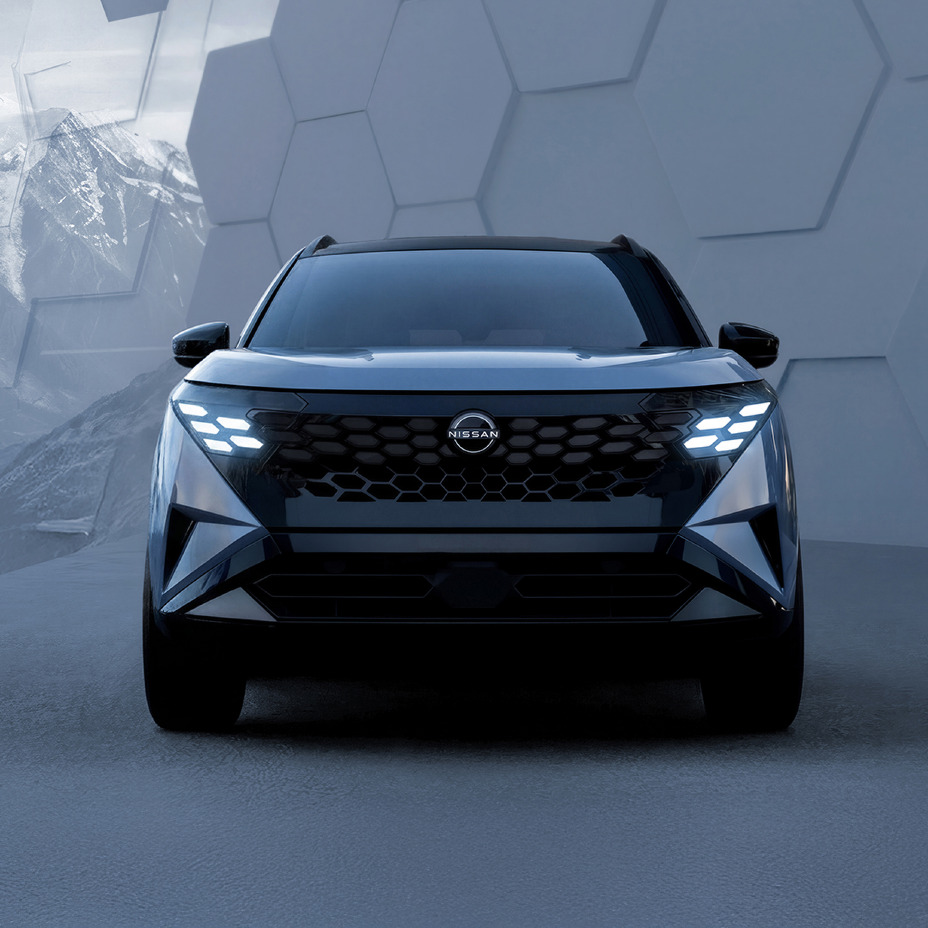
How Does Nissan e-POWER Work in the Rogue Hybrid?
The Rogue Hybrid uses a gasoline engine to generate electricity, while electric motors do all the work of turning the wheels.
That is the most important thing to understand about e-POWER. Although the Rogue Hybrid has a gasoline engine, the engine is not mechanically connected to the wheels. Instead, it produces electricity for the battery and electric motors.
Think about what that means when you drive. You press the accelerator, and the electric motors respond directly. You do not wait for a traditional transmission to move through gears. The gasoline engine starts and stops automatically when the system needs electricity, and regenerative braking helps recover energy when you slow down.
You still fill the fuel tank with regular gasoline. You do not install a charger at home, look for public charging stations, or worry about plugging in at the end of the day.
What makes e-POWER different from a conventional hybrid?
Many hybrids use both their gasoline engine and electric motor to help drive the wheels. Nissan's e-POWER system works differently. Only the electric motors provide propulsion.
This is known as a series-hybrid arrangement. The Rogue Hybrid's gasoline engine operates as a generator, and the electric drivetrain handles acceleration and traction.
That distinction matters because drivers can get some of the characteristics associated with an electric vehicle, including immediate motor response and smoother acceleration, without relying on an external charging source.
For a driver who spends part of the commute moving slowly through traffic on Route 41 and part of it cruising on I-94, that can make the vehicle feel different from a conventional gas-powered SUV.
It does not make the Rogue Hybrid an electric vehicle. It still uses gasoline, and its battery does not provide a long-distance electric-only range. But the way it moves is fundamentally different from a typical gasoline vehicle.
Does the Rogue Hybrid recharge itself?
Yes. The system manages its battery automatically using electricity from the gasoline-powered generator and energy recovered during deceleration.
The Rogue Hybrid uses a 1.67-kWh lithium-ion battery. That battery is much smaller than the battery in a plug-in hybrid because it serves a different purpose.
Rather than storing enough electricity for a lengthy drive, it helps supply energy during acceleration, captures regenerative braking energy, and supports the electric motors as needed.
For a homeowner in Vernon Hills without an accessible charging outlet, this is a particularly useful difference. You can benefit from hybrid efficiency without changing your parking arrangement or adding electrical equipment to your garage.
What are e-Pedal and Smooth Stop?
The Rogue Hybrid also offers Nissan's e-Pedal with Smooth Stop technology.
When the system is active, easing off the accelerator can produce stronger deceleration than you might expect from a conventional vehicle. Smooth Stop is designed to make that deceleration feel more controlled as the vehicle approaches a stop.
This can be especially useful in stop-and-go traffic, where drivers repeatedly accelerate and slow down.
It is not a replacement for the brake pedal. Drivers still need to brake as required by road and traffic conditions, and we recommend learning how the feature responds during a test drive before relying on it in heavy traffic.
2027 Nissan Rogue Hybrid Specs, MPG, and Performance
The Rogue Hybrid combines 225 horsepower with standard electric all-wheel drive and an EPA-estimated 38 mpg combined on the SR trim.
Nissan engineered the e-POWER system around a 1.5-liter turbocharged three-cylinder gasoline engine that generates electricity rather than directly powering the wheels.
The engine produces 148 horsepower as part of the generating system. Electric propulsion comes from a front motor rated at 202 horsepower and a rear motor rated at 134 horsepower.
Those individual motor figures should not be added together to calculate the vehicle's total output. Nissan lists combined system horsepower at 225.
| Specification | 2027 Rogue Hybrid e-POWER | What It Means for Drivers |
|---|---|---|
| Hybrid system | Third-generation Nissan e-POWER | Electric motors drive the wheels |
| Gasoline engine | 1.5L turbocharged 3-cylinder | Generates electricity for the hybrid system |
| Combined output | 225 hp | Responsive acceleration for everyday driving |
| Front motor | 202 hp | Provides front-wheel propulsion |
| Rear motor | 134 hp | Provides rear-wheel propulsion |
| Battery | 1.67 kWh lithium-ion | Stores and manages energy; no external charging required |
| Drivetrain | Dual-motor AWD | Standard on every trim |
| SR fuel economy | 41 city / 36 highway / 38 combined mpg | Strong efficiency for mixed commuting |
| Fuel tank | 14 gallons | Uses regular unleaded gasoline |
| Towing | Up to 1,500 lb when properly equipped | Suitable for certain small trailers and light loads |
| Best For | Commuters and small families wanting hybrid AWD | Efficient driving without charging equipment |
Fuel economy figures are EPA estimates for the SR. Actual results depend on driving conditions, temperature, speed, and vehicle configuration. Nissan lists different estimates for certain other trims.
Is the Rogue Hybrid more efficient in the city or on the highway?
The SR's estimated 41 mpg city rating is higher than its 36 mpg highway rating.
This may seem surprising if you are accustomed to gasoline vehicles, which often return better highway mileage. A hybrid can benefit from regenerative braking and efficient energy management during lower-speed driving.
That makes the Rogue Hybrid particularly interesting for drivers who spend plenty of time on local roads, shopping routes, school pickups, and traffic-heavy commutes.
If you regularly drive from Gurnee to Libertyville, with several stops along the way, the hybrid system may be well suited to your routine. Longer highway trips will still benefit from its efficient powertrain, although the official highway estimate is lower than the city figure.
We would not promise that every Libertyville commuter will achieve the EPA estimate. Cold weather, traffic patterns, tire condition, and driving habits can change actual results.
2027 Rogue Hybrid Trims, Pricing, and Features
The SV offers the lowest Rogue Hybrid starting MSRP, the SR adds sportier styling, and Platinum brings the most premium technology and comfort.
The Rogue Hybrid lineup includes three main trims: SV, SR, and Platinum. Every version comes with the e-POWER drivetrain and standard dual-motor AWD.
The most important choice is not which trim has the most power. All three share the same basic hybrid system. The difference is how much you want to spend on comfort, technology, and convenience.
| Trim | Starting MSRP | Key Features | Best For |
|---|---|---|---|
| SV AWD | $35,490 | Dual 12.3-inch displays, wireless Apple CarPlay and Android Auto, heated front seats, Qi2 charging | Drivers focused on hybrid value and daily usability |
| SR AWD | $37,490 | 19-inch sport wheels, quilted TailorFit seating, sport styling | Drivers wanting a more distinctive appearance |
| SR with Technology Package | $41,490 | 14.3-inch display with Google built-in, enhanced camera technology, added driver assistance | Commuters who value premium technology |
| Platinum AWD | $43,490 | Dual 14.3-inch displays, Bose audio, ventilated front seats, heated rear seats, panoramic moonroof | Drivers wanting the most complete Rogue Hybrid |
MSRP excludes the $1,575 destination and handling charge, taxes, title, licensing, dealer fees, and additional options. The SR Technology Package is a $4,000 option on the SR, not a separate base trim. Actual dealership pricing and availability may vary.
Which Rogue Hybrid trim gives you the most value?
We recommend starting with the SV if your priority is getting the e-POWER driving experience at the lowest available MSRP.
You still receive standard AWD, modern connectivity, the main hybrid system, and heated front seats. For many daily commuters, that is the equipment that matters most.
The SV Premium Package is another option if you want additional comfort without moving directly into a higher trim. Nissan lists the package at $2,100, bringing the SV's starting MSRP with that package to $37,590 before destination and other charges.
For a family in Waukegan that wants an efficient SUV for work, groceries, and weekend driving, the SV is a sensible starting point.
Is the SR Technology Package worth the upgrade?
The SR Technology Package makes the most sense if you will regularly use its added features, not simply because you want a larger screen.
The package includes a 14.3-inch touchscreen with Google built-in, along with additional convenience and driver-assistance technology. The available 3D HD Enhanced Intelligent Around View Monitor can help with parking and low-speed maneuvering.
For drivers who often use parking garages, commute in heavy traffic, or rely on navigation, these features can be genuinely useful.
Enhanced ProPILOT Assist features can also support certain driving situations, including traffic jams and lane changes, when conditions and system requirements permit.
These remain driver-assistance features. They do not make the Rogue Hybrid self-driving, and the driver must stay attentive and ready to take control.
We recommend comparing the exact SR equipment list against Platinum before making a decision. Depending on which features you want, a higher trim may be more appealing than adding multiple options to an SR.
Nissan Rogue Hybrid vs Plug-in Hybrid vs Gas Rogue
The easiest way to choose between the three Rogue powertrains is to decide whether you want to plug in, how many passengers you need to carry, and how much you want to spend.
The Rogue name now covers three different approaches to powering an SUV.
The Rogue Hybrid e-POWER uses electric motors to drive its wheels, but never plugs into an outlet. The Rogue Plug-in Hybrid includes a larger battery and can travel on electricity supplied by external charging. The conventional Rogue uses its gasoline engine to drive the wheels through an Xtronic CVT.
| Feature | 2027 Rogue Hybrid e-POWER | 2026 Rogue Plug-in Hybrid | 2027 Rogue Gas |
|---|---|---|---|
| Powertrain | Gas generator and dual electric drive motors | 2.4L gas engine plus electric motors | 1.5L VC-Turbo gas engine with CVT |
| Plug-in charging | No | Yes | No |
| Electric-only driving range | No extended plug-in electric range | Up to 38 EPA-estimated miles | Not applicable |
| Output | 225 combined hp | 248 combined hp | 201 hp |
| Fuel economy | Up to 41 city / 36 highway / 38 combined mpg (SR) | 64 combined MPGe; 26 mpg combined on gasoline | Up to 30 mpg combined on select FWD trims |
| Drivetrain | Dual-motor AWD standard | AWD standard | FWD or available AWD |
| Seating | Up to 5 | Up to 7 | Up to 5 |
| Starting MSRP | $35,490 | $45,990 | $29,690 |
| Best For | Hybrid efficiency without charging | Drivers with home charging who need extra seating flexibility | Shoppers prioritizing a lower initial price |
Figures represent the specified model years and configurations. MSRP excludes destination and other charges. MPGe measures electric energy efficiency and should not be compared directly with gasoline MPG. Actual fuel economy varies.
Choose the Rogue Hybrid if you do not want to charge
For many Libertyville buyers, this is the simplest option.
The Rogue Hybrid offers the convenience of conventional gasoline refueling while delivering electric-motor propulsion and strong fuel efficiency.
It is especially attractive for drivers who want a hybrid but park outdoors, rent a home, share a garage, or simply do not want to plan around charging access.
If you drive from Libertyville to Waukegan several times a week and cannot charge at home, we would start by showing you the Rogue Hybrid.
You can use it for local errands, longer highway trips, and weekend travel without making charging part of your schedule.
Choose the Rogue Plug-in Hybrid if you can charge regularly
The Plug-in Hybrid can make more sense when you have convenient charging at home and your regular driving fits within its electric range.
Nissan rates the 2026 Rogue Plug-in Hybrid for up to 38 miles of electric-only driving. That means some drivers may complete much of their usual workday driving using electricity, depending on trip length and driving conditions.
Once the stored electric energy is depleted, the vehicle can continue using gasoline. You do not need to stop driving when the battery reaches its normal lower operating level.
The Plug-in Hybrid also has a different seating arrangement. It offers three rows with seating for up to seven, making it an option for families who occasionally need more than five passenger positions.
That third row is a meaningful reason to choose it over the e-POWER model. However, we recommend checking the third-row legroom and available cargo room with those seats in use before deciding that it replaces a larger family SUV.
A Vernon Hills family that can recharge overnight and regularly makes short trips may find the Plug-in Hybrid especially useful. A driver who rarely charges will have a harder time taking full advantage of what they are paying for.
Choose the gas Rogue if initial price comes first
The conventional Rogue remains the most accessible entry point among these three powertrain choices.
It also offers front-wheel drive on select trims, which may appeal to buyers who do not need standard AWD.
That makes the gas Rogue worth considering for someone who drives relatively few miles each year or wants to keep the initial purchase price lower.
It will not deliver the same electric-motor driving experience as the e-POWER model, but it remains a practical choice for commuting, family errands, and highway driving.
We recommend comparing the current price of an actual gas Rogue against the hybrid you want, rather than looking only at the difference between their published starting MSRPs.
Compare the Rogue Models That Fit Your Budget
We can help you compare current Rogue configurations, equipment, and pricing before choosing which one to test drive.
View Nissan Rogue InventoryWhich Rogue Makes Sense for Your Driving and Budget?
The most efficient Rogue on paper is not automatically the least expensive one for every household to own.
Fuel economy matters, but so do the purchase price, available incentives, insurance, maintenance, driving distance, and how long you expect to keep the vehicle.
One mistake we recommend avoiding is comparing only the sticker MPG. The Rogue Plug-in Hybrid's electricity use, for example, depends heavily on charging habits. If you rarely plug it in, you will not experience the same gasoline savings as someone who regularly completes short trips on stored electricity.
Likewise, the Rogue Hybrid's efficiency advantage over a conventional gas Rogue can be useful for high-mileage drivers, but the savings need to be considered alongside the difference in purchase price.
What if you commute toward Chicago?
If you regularly travel toward Chicago, start by separating your driving into highway miles and slower local traffic.
The Rogue Hybrid is rated at 41 mpg city and 36 mpg highway on the SR trim. That makes it especially compelling for drivers who spend a meaningful part of their commute accelerating, slowing down, and moving through local traffic.
If your route is primarily uninterrupted highway driving, the hybrid still has an efficiency advantage over many gas Rogue configurations, but you should calculate fuel costs using a realistic mix of driving rather than the city MPG figure alone.
For a Libertyville commuter traveling toward Chicago several days a week, we recommend comparing annual mileage and estimated fuel spending for the gas Rogue and the Rogue Hybrid before choosing.
What if you work from home or drive short distances?
Lower annual mileage changes the value equation.
A household that drives only a few thousand miles each year has fewer opportunities to recover a higher purchase price through fuel savings.
In that situation, the conventional gas Rogue may make better financial sense, particularly if the available vehicle has a favorable price.
However, the hybrid may still be worth choosing if you strongly prefer its driving characteristics, standard AWD, and technology.
We recommend making that choice based on features you will actually enjoy rather than assuming a hybrid always pays for itself.
What if you already have a home charger?
If your household already charges an electric vehicle or has convenient access to a suitable outlet, the Plug-in Hybrid deserves a closer comparison.
The value of its 38-mile electric range depends on how frequently you charge and what you pay for electricity compared with gasoline.
We suggest using your actual electricity rate, gasoline price, and weekly driving pattern to estimate running costs.
That is more useful than treating the Rogue Plug-in Hybrid's 64 MPGe rating as if it were directly equivalent to 64 gasoline miles per gallon.
Is the Rogue Hybrid a Good SUV for Lake County Winters?
The Rogue Hybrid's standard dual-motor AWD and Snow drive mode help manage traction, but tires and driving conditions remain essential for winter safety.
Winter driving in Libertyville, Waukegan, and Gurnee can mean snow, slush, freezing rain, road salt, and sudden changes in traction.
The Rogue Hybrid uses separate front and rear electric motors to manage the torque delivered to the wheels. That gives the system the ability to respond to changing traction conditions.
The available Snow driving mode also adjusts vehicle behavior for low-grip situations.
For someone who leaves home early on winter mornings or regularly drives on roads that have not yet been fully cleared, those features may be worthwhile.
Does AWD mean you do not need winter tires?
No. AWD can help a vehicle move forward when traction is limited, but it cannot create additional grip beyond what the tires and road surface provide.
Braking and cornering remain heavily dependent on tire condition, temperature, vehicle speed, and the amount of snow or ice on the road.
If you regularly drive during significant winter weather, we recommend discussing winter tires with a qualified tire professional.
Even if you keep all-season tires, check their tread depth, pressure, and condition before the coldest weather arrives.
For owners who spend more time driving on clear, treated highways, high-quality all-season tires appropriate for the vehicle may suit their driving better than a dedicated winter setup.
Will cold temperatures lower Rogue Hybrid MPG?
They can. Cold weather affects both gasoline and hybrid vehicles.
Hybrid efficiency can decrease because the engine may need to run more often to maintain operating temperature and support cabin heating. Short trips with frequent cold starts can make that effect more noticeable.
If you drive only a few miles between home, work, and shopping stops, your winter fuel economy may be noticeably lower than the EPA estimate.
Longer trips after the vehicle has warmed up may produce more consistent results.
We recommend treating the official MPG ratings as comparison figures, not guaranteed results for every Lake County winter commute.
What maintenance matters most during winter?
Hybrid ownership does not eliminate the need for regular vehicle maintenance.
The Rogue Hybrid still uses a gasoline engine, tires, brakes, cooling systems, cabin filters, and other components that require attention.
We recommend keeping up with the maintenance schedule in the owner's manual and checking the vehicle before prolonged winter driving.
- Tires: Check pressure, condition, and tread depth.
- 12-volt electrical system: Have any slow-start or electrical concerns inspected.
- Wipers and washer fluid: Make sure visibility remains clear during salt spray and snow.
- Brakes: Inspect components as recommended, even though regenerative braking recovers energy during deceleration.
- Undercarriage: Remove accumulated road salt when conditions permit.
Our service team can help with seasonal vehicle inspections and routine maintenance. If you are already driving a Rogue, we recommend reviewing your vehicle's maintenance needs before changing weather conditions create an unexpected problem.
Keep Your Nissan Ready for Illinois Driving
Our service center can help with tire checks, brake inspections, routine maintenance, and seasonal vehicle concerns.
Visit Our Service CenterCargo Space, Family Use, and Towing
The Rogue Hybrid is a five-passenger SUV with flexible cargo space and light-duty towing capability, while the Rogue Plug-in Hybrid is the better choice if you specifically need a third row.
Powertrain technology is important, but it should not distract from the vehicle's actual usefulness.
The Rogue Hybrid has two rows of seating. Nissan lists 34.4 cubic feet of cargo volume in its current consumer specifications, although cargo measurements can depend on the measurement method and cargo-floor configuration.
For many families, that means space for groceries, sports equipment, backpacks, luggage, and other everyday belongings.
If you frequently transport a stroller or bulky recreational gear, we recommend bringing it to the showroom and testing the loading space rather than choosing based only on cubic feet.
Is the Rogue Hybrid practical for families?
Yes, especially for households that regularly carry up to five occupants.
Nissan designed the Rogue Hybrid with family use in mind. Its rear doors open wide, making access easier when securing child seats or helping younger passengers into the vehicle.
For a family in Gurnee with two children, the five-passenger layout may offer the right combination of seating, cargo flexibility, and efficiency.
For a larger family that often needs six or seven seats, we recommend looking at the Rogue Plug-in Hybrid's three-row arrangement or another appropriately sized Nissan SUV.
A third row is valuable only if it actually fits the people who need to use it. We encourage shoppers to check second- and third-row access, passenger space, and cargo capacity with all seats occupied.
Can the Rogue Hybrid tow a trailer?
Nissan lists a maximum towing capacity of 1,500 pounds when properly equipped.
That may be suitable for certain small utility trailers or other lightweight loads, but towing capacity is only one part of the decision.
You also need to consider trailer weight when loaded, tongue weight, vehicle payload, passengers, cargo, and appropriate towing equipment.
For someone who regularly hauls a heavier boat or camper around Lake County, we would recommend discussing the load before choosing a Rogue Hybrid. A Nissan Pathfinder or Frontier may be more appropriate depending on the towing requirement.
We would rather help you match the vehicle to the actual trailer than recommend a configuration that leaves too little capacity for your needs.
Rogue Hybrid Availability, Warranty, and Buying Questions
The Rogue Hybrid is available in limited quantities, and Nissan has confirmed additional configurations as part of its broader lineup.
Nissan has started U.S. sales with the well-equipped SR AWD with Technology Package. Other versions are part of the announced lineup, but individual dealership allocations can vary.
That means shoppers should distinguish between a trim being officially announced and a specific vehicle being available locally.
If you want a particular color, package, or interior configuration, we recommend asking about current stock and incoming vehicles.
What warranty covers the Rogue Hybrid battery?
Nissan lists an 8-year/100,000-mile limited warranty for the e-POWER drivetrain, including its battery, whichever limit is reached first.
That is an important consideration if you are planning to keep the SUV for several years.
The warranty does not mean every component or type of damage is covered under every circumstance. We recommend reviewing the official warranty booklet for exclusions, maintenance responsibilities, and the specific terms applying to the vehicle you purchase.
What should you compare before placing an order?
Before making a final decision, we recommend checking the exact vehicle rather than relying only on the general model description.
- Availability: Is the trim you want currently in stock, incoming, or not yet allocated?
- Pricing: What is the complete price including destination, options, and applicable fees?
- Technology: Does the vehicle include the driver-assistance and display features you want?
- Cabin: Do the seats, cargo area, and driving position fit your household?
- Warranty: What does the applicable Nissan warranty booklet cover?
- Financing: How do the payment terms compare with a gas Rogue or Plug-in Hybrid?
For a Libertyville driver deciding between the SR Technology Package and the Platinum, we suggest looking closely at the comfort upgrades rather than assuming the highest trim is automatically the best choice.
For buyers focused on efficiency and basic convenience, the SV may provide everything they need once it is available in their preferred configuration.
Key Takeaways
- The Rogue Hybrid e-POWER uses electric motors to drive the wheels and does not need external charging.
- Nissan lists 225 combined horsepower and standard dual-motor AWD.
- The SR is rated at 41 mpg city, 36 mpg highway, and 38 mpg combined.
- The Rogue Hybrid starts at $35,490 MSRP before destination and other charges.
- The Rogue Plug-in Hybrid offers up to 38 miles of electric-only driving and seating for up to seven.
- The e-POWER drivetrain, including its battery, has an 8-year/100,000-mile limited warranty.
2027 Nissan Rogue Hybrid Frequently Asked Questions
Do you have to plug in the Nissan Rogue Hybrid e-POWER?
No. The Rogue Hybrid e-POWER does not have a charging port. Its gasoline engine generates electricity for the battery and electric motors, while regenerative braking helps recover energy during deceleration. You simply refill the fuel tank with gasoline. We recommend it for Libertyville drivers who want hybrid efficiency without installing a home charger or changing their refueling routine.
What is the difference between the Rogue Hybrid and Rogue Plug-in Hybrid?
The Rogue Hybrid uses electric motors to power the wheels but does not plug in. The Rogue Plug-in Hybrid has a larger battery that can be charged externally and offers up to 38 miles of electric-only driving. The Plug-in Hybrid also offers seating for up to seven, while the e-POWER model seats five. We recommend the Rogue Hybrid for drivers without regular charging access and the Plug-in Hybrid for households that can recharge frequently and need its additional seating flexibility.
How much does the 2027 Nissan Rogue Hybrid cost?
The 2027 Rogue Hybrid starts at $35,490 MSRP for the SV AWD. The SR AWD starts at $37,490, and the Platinum AWD starts at $43,490. The SR with Technology Package starts at $41,490 before destination. Nissan's destination charge is $1,575, and taxes, fees, options, and dealer pricing are additional considerations. We recommend getting a complete quote for the exact vehicle you want before comparing payments.
Is the Rogue Hybrid good for winter driving in Illinois?
The Rogue Hybrid has standard dual-motor AWD and a Snow driving mode, making it a useful option for Lake County conditions. However, AWD primarily helps manage power and traction rather than reducing braking distance on snow or ice. We recommend checking tire condition, adjusting speed for the road, and considering appropriate winter tires if you regularly drive in severe conditions.
Does the Nissan Rogue Hybrid qualify for electric vehicle incentives?
The Rogue Hybrid is a gasoline-powered hybrid that cannot be charged externally, so it should not be treated as a battery-electric vehicle or plug-in hybrid for incentive purposes. Eligibility depends on the specific program and its requirements. We recommend confirming any advertised rebate, incentive, or tax benefit with the program administrator and reviewing current dealership offers before making a purchase decision.
Compare Your Rogue Options at Liberty Nissan
If you are deciding between a Rogue Hybrid e-POWER, Rogue Plug-in Hybrid, and conventional Rogue, we can help you compare them using the things that matter most to you: charging access, fuel economy, seating capacity, cargo space, technology, and budget.
Visit us at 920 S. Milwaukee Ave., Libertyville, IL 60048. We serve drivers from Libertyville, Waukegan, Gurnee, Vernon Hills, and the surrounding Lake County communities.
Our team can help you check Rogue Hybrid availability, compare current Rogue models, and review financing options without requiring you to choose a powertrain before you understand the differences.
You can also call us at (847) 680-8000 to ask about current Rogue Hybrid inventory and available configurations.
Find the Rogue That Fits Your Routine
Tell us how you drive, whether you can charge at home, and what features matter most. We will help you narrow down your options.
Check New Nissan Inventory Contact Liberty Nissan